E-commerce vs Quick Commerce vs Food Delivery vs EatLaza: An Honest Comparison

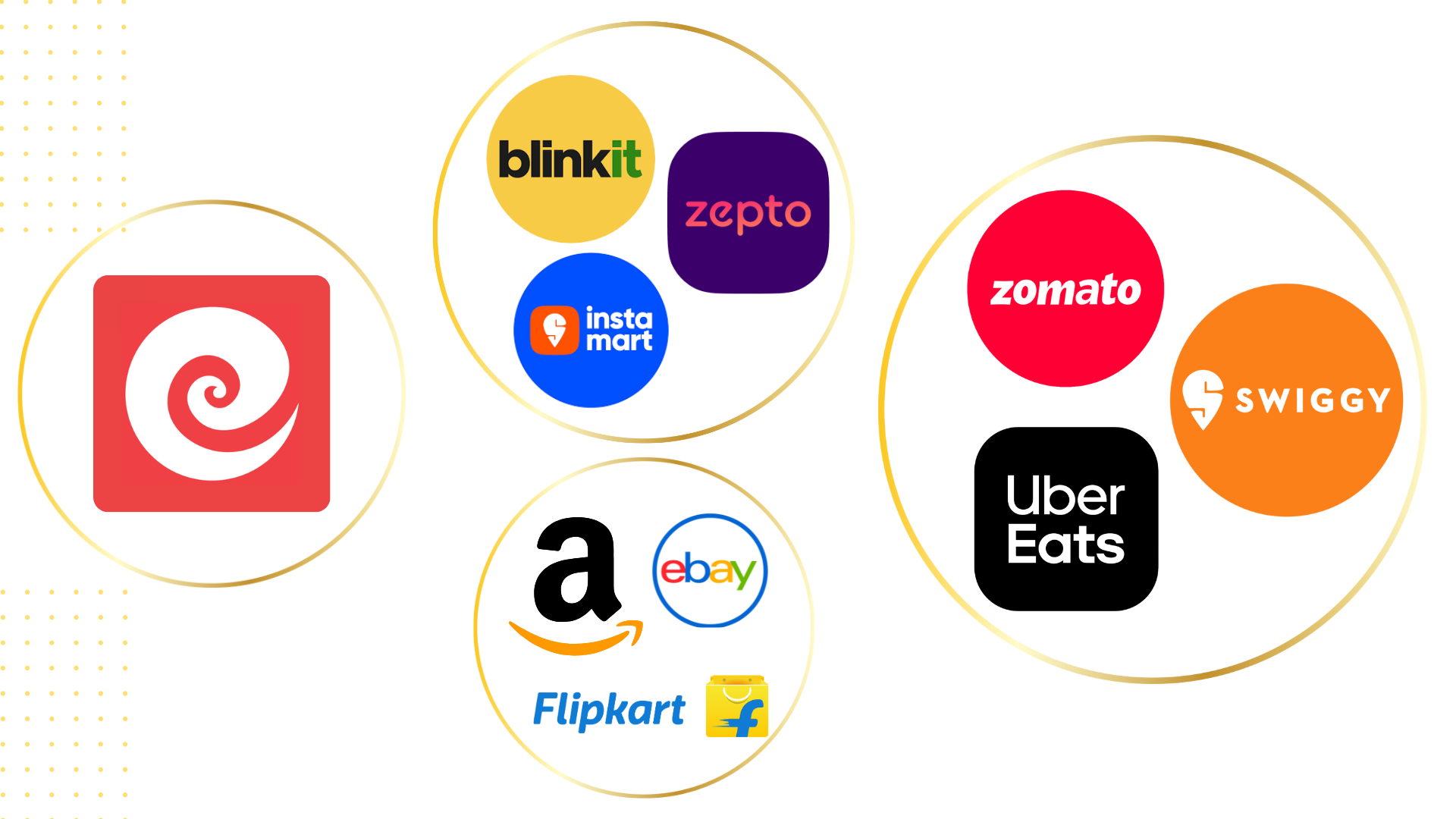
Local businesses today have multiple ways to sell online.
Each model works differently, has different costs, and gives different levels of control to sellers.
This article compares E-commerce, Quick Commerce, Food Delivery apps, and EatLaza in a neutral and practical way, so business owners can understand which model suits them best.
1. Traditional E-commerce Platforms
How it works:
Businesses list products on large marketplaces and compete with thousands of sellers.
Pros
- Wide customer reach
- Suitable for non-urgent products
- National or global exposure
Cons
- High competition
- Delivery can be slow
- Seller visibility is low
- Platform rules change frequently
- Advertising often required to get orders
Best for:
Brands, manufacturers, or sellers targeting a wide geography rather than nearby customers.
2. Quick Commerce Platforms
How it works:
Products are stored in platform-owned or partner warehouses and delivered very fast (10–30 minutes).
Pros
- Fast delivery
- Convenience for customers
- Strong demand for essentials
Cons
- Sellers usually don’t control pricing
- Platform decides inventory and margins
- Local shops act more like suppliers, not owners
- Limited brand visibility
Best for:
Businesses that are comfortable supplying stock instead of selling directly to customers.
3. Food Delivery Apps
How it works:
Restaurants list menus on aggregator apps, which handle discovery and logistics.
Pros
- Large user base
- Easy customer discovery
- Logistics handled externally
Cons
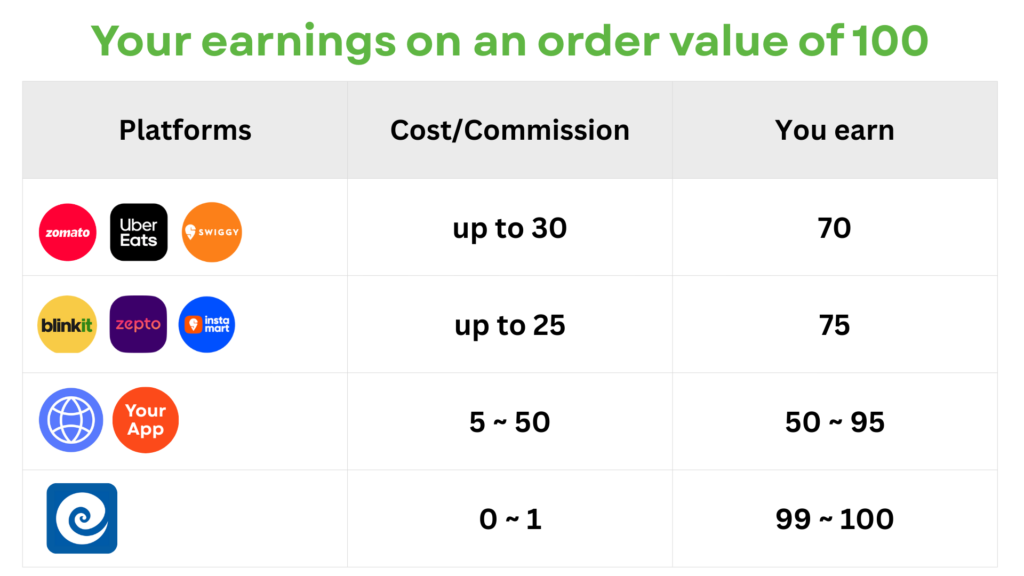
- High commissions (often 25–40%)
- Menu prices often inflated
- Limited customer ownership
- Restaurants follow platform rules
Best for:
Restaurants prioritizing volume over margins and control.
4. EatLaza (Different Model)
How it works:
EatLaza acts as a local selling platform, not a reseller or warehouse operator.
Key characteristics
- Businesses sell directly to nearby customers
- No warehouse-based selling
- Seller remains the owner of pricing, delivery, and payments
- Platform does not resell products
Notable differences
- No forced commission model
- Pricing remains the same as the store
- Seller keeps operational control
Best for:
Local businesses that want to go online without giving up control or inflating prices.
Core Difference Between All Models
| Aspect | E-commerce | Quick Commerce | Food Apps | EatLaza |
|---|---|---|---|---|
| Seller Control | Low–Medium | Low | Low | High |
| Pricing Control | Partial | No | Limited | Full |
| Commission Pressure | Medium | Hidden | High | None |
| Warehouse Model | No | Yes | No | No |
| Customer Ownership | Platform | Platform | Platform | Seller |
| Focus Area | Wide | Instant | Food only | Nearby local |
Your Earnings from 100 Order Value
Which Model Should a Business Choose?
There is no single “best” model — it depends on business goals:
- Want national reach? → E-commerce
- Want ultra-fast delivery without control? → Quick Commerce
- Want food volume despite high fees? → Food Delivery Apps
- Want local customers with control? → EatLaza
Final Thoughts
Online selling models are evolving.
The key question for any business today is not just “How many orders?” but also:
- Who controls pricing?
- Who owns the customer?
- Who carries the cost?
Understanding these differences helps businesses choose a platform that aligns with long-term sustainability, not just short-term visibility.