How Retail Store Layout Impacts Customer Buying Behaviour in Australia

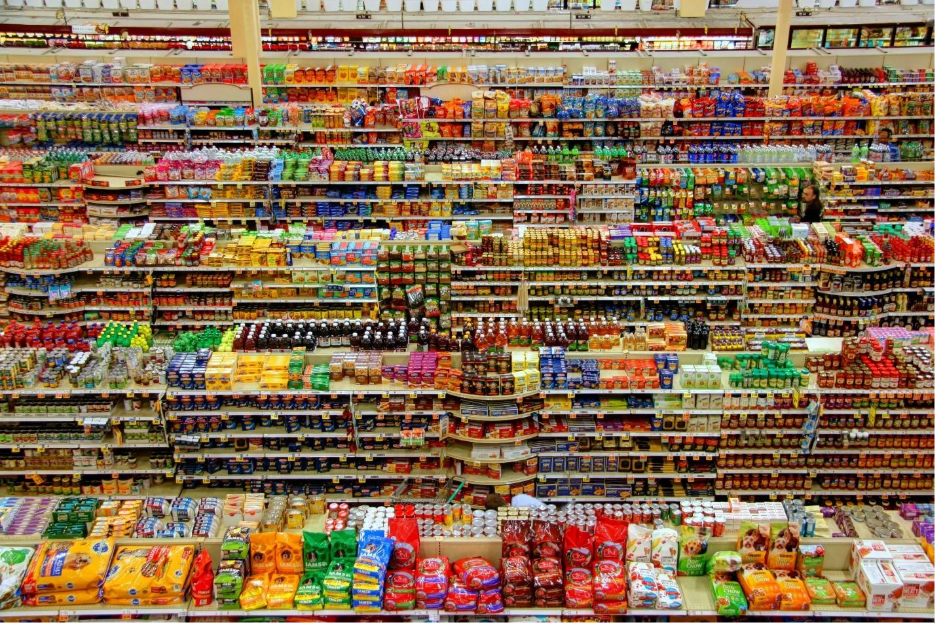
Walk into any retail store and your path is already being shaped before you realise it. The entrance, the spacing, the shelving, and even the direction you turn all influence what you see and what you buy.
In Australia, where retail competition continues to tighten, store layout has become a direct lever for revenue. A well-structured layout does more than organise products. It guides attention, reduces friction, and increases the likelihood of purchase. Poor layout, on the other hand, leads to confusion, missed products, and lost sales.
Retailers who treat layout as a strategic asset consistently outperform those who treat it as a visual afterthought.
The Psychology Behind Retail Movement and Decision-Making
Customer movement inside a store is rarely random. It follows predictable behavioural patterns shaped by environment and design.
Key behavioural triggers that influence movement include:
- Decompression zone
The first few steps inside a store where customers adjust to the environment. Products placed here are often ignored.
- Directional bias
Many shoppers naturally turn left or right upon entry, depending on layout cues and spatial design.
- Line of sight
Customers engage more with products that are immediately visible without obstruction.
- Decision fatigue
Overloaded displays or cluttered aisles reduce the ability to make quick decisions.
Retailers who understand these patterns can position products more effectively, guiding customers through a journey rather than leaving it to chance.
Australian Retail Trends Shaping Store Layout Decisions
Retail environments across Australia are shifting in response to changing consumer expectations. Layout design is evolving alongside these behaviours.
Below is a snapshot of key trends influencing store design:
| Trend | Impact on Layout |
| Increased demand for convenience | Stores prioritise faster navigation and clear pathways |
| Growth of click and collect | Layouts integrate collection points without disrupting flow |
| More informed shoppers | Product visibility and comparison become more important |
| Reduced tolerance for friction | Simpler layouts outperform complex designs |
Data continues to show that Australian consumers expect efficiency when shopping in-store. Insights drawn from Australian retail insdustry statistics and trends highlight how customer expectations are moving towards speed, clarity, and ease of access.
Retailers adapting their layouts to match these expectations are seeing stronger engagement and higher basket values.
Key Store Layout Types and Their Impact on Buying Behaviour
Different layout structures produce very different customer behaviours. Choosing the right one depends on the type of store, the product range, and how customers are expected to interact with the space.
Grid layout
Common in supermarkets and convenience stores. It encourages structured browsing and maximises product exposure. Customers move aisle by aisle, which increases the likelihood of planned purchases.
Free flow layout
Often used in boutique retail. It allows customers to explore freely, which can increase dwell time and impulse buying. It works best when visual merchandising is strong.
Loop layout
Designed to guide customers along a fixed path through the store. This increases exposure to a larger range of products before reaching the checkout.
Hybrid layout
Combines elements of different layouts. Many modern Australian retailers use this approach to balance efficiency with exploration.
Each layout creates a different rhythm inside the store. The right choice depends on whether the goal is speed, discovery, or a mix of both.
How Product Placement and Shelving Influence Purchase Decisions
Small adjustments in placement often produce measurable changes in sales. The difference between a product being seen or ignored usually comes down to positioning.
A simple comparison shows how placement impacts buying behaviour:
| Placement Strategy | Customer Response |
| Eye level shelving | Higher engagement and increased sales |
| Lower shelf placement | Reduced visibility, often lower sales |
| End of aisle displays | Strong impulse purchases |
| Grouped products | Easier decision making and higher basket size |
Retailers who actively manage placement are not relying on luck. They are engineering outcomes.
Shelving plays a central role here. It determines visibility, accessibility, and how products are grouped together. Without the right shelving system, even the best layout strategy falls short.
The Role of Shelving Systems in Retail Layout Performance
Layout design and shelving cannot be separated. One defines the flow, the other defines how products are experienced within that flow.
Effective shelving systems support layout performance in several ways:
- Improve product visibility across different viewing angles
- Allow quick adjustments for seasonal or promotional changes
- Maintain structural strength under heavy stock loads
- Support clean, organised product presentation
Retailers often underestimate how much flexibility matters. Stores that can adapt their shelving quickly are better positioned to respond to trends, promotions, and changing inventory.
The physical structure of the store either supports the customer journey or disrupts it. High-performing retail environments always align shelving decisions with layout strategy.
How Mills Shelving Supports High-Performing Store Layouts
Strong layouts rely on the right infrastructure behind them. Without durable and adaptable shelving, even the best-designed store will struggle to perform consistently.
Mills Shelving focuses on practical retail execution, not just aesthetics. Their systems are built to support real trading environments where stock changes frequently and layouts need to evolve.
Key advantages that support layout performance include:
- Modular gondola systems that can be reconfigured as product ranges change
- Consistent product visibility across wall bays and double-sided shelving
- High load capacity, suitable for supermarkets, hardware stores, and convenience retail
- Efficient installation timelines, reducing downtime during store setup or refurbishment
Retailers working with structured shelving systems are able to maintain cleaner layouts, improve navigation, and present products more effectively. The result is a smoother customer journey and stronger sales performance.
Common Layout Mistakes That Reduce Sales
Even well-stocked stores can underperform when layout fundamentals are overlooked. These issues are often subtle but have a direct impact on customer behaviour.
Frequent mistakes seen across Australian retail include:
- Narrow or blocked aisles
Customers feel restricted and are less likely to explore the full store.
- Overcrowded shelving
Too many products reduce clarity and make decision-making harder.
- Poor product grouping
Items that should be purchased together are placed far apart, lowering basket size.
- Ignoring natural movement patterns
Layouts that fight against customer flow create friction and missed opportunities.
- Underutilised promotional zones
End caps and high-traffic areas are not used strategically.
Fixing these issues often leads to immediate improvements without increasing marketing spend or foot traffic.
Practical Tips to Optimise Your Retail Store Layout
Improving layout performance does not require a complete redesign. Small, deliberate changes can produce strong results when applied correctly.
Here are practical steps retailers can implement:
- Map the customer journey
Walk through the store as a customer would. Identify friction points, blind spots, and missed opportunities.
- Prioritise visibility over volume
Fewer products displayed clearly will often outperform overcrowded shelves.
- Use high-impact zones effectively
Place high-margin or promotional products at eye level and at the end of aisles.
- Test and refine regularly
Move products, adjust shelving, and observe how behaviour changes over time.
- Invest in flexible systems
Adaptable shelving allows faster responses to seasonal trends and promotions.
Retail environments are not static. Continuous optimisation is what separates average stores from high-performing ones.
Conclusion: Layout as a Revenue Lever, Not Just Design
Store layout influences every step of the buying process, from how customers move to what they notice and ultimately what they purchase.
Retailers who treat layout as a strategic function gain a measurable advantage. Clear pathways, thoughtful product placement, and adaptable shelving create an environment where buying becomes easier and more intuitive.
In the Australian retail market, where customer expectations continue to rise, layout is no longer just about presentation. It is a direct driver of revenue, efficiency, and long-term growth.