Carpet Cleaning Cost: What Affects the Price and How to Get the Best Value

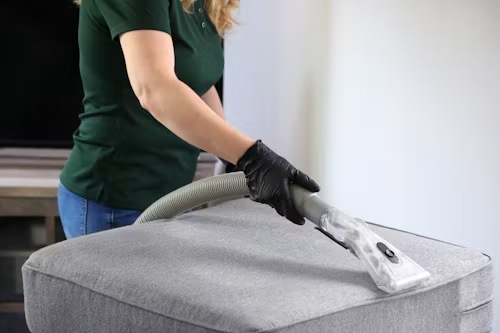
Carpet cleaning is one of those services where the price you’re quoted can vary by more than double for what sounds like the same job, and most of that variation comes down to a handful of specific factors rather than one company simply being pricier than another. Understanding what actually drives the cost makes it much easier to judge whether a quote represents good value.
This is also one of the more common add-ons people underestimate when budgeting for a house move, a spring clean, or an end of tenancy clean, since carpets are frequently quoted separately from other cleaning work rather than bundled into a single headline price. Knowing the typical ranges below helps you budget accurately rather than being caught out by a cost you hadn’t planned for.
Typical UK prices
Across UK pricing data from trade platforms including Checkatrade and MyBuilder, professional carpet cleaning generally falls into these ranges:
- Per room: roughly £25 to £75, depending on room size and condition
- Per square metre (for larger or open-plan spaces): roughly £1.50 to £4
- Minimum call-out charge: typically £50 to £85, higher in London, to cover the cost of bringing professional equipment to a job regardless of size
- Whole home (2 to 3 bedrooms): roughly £100 to £250
- Larger homes (4+ bedrooms): £300 to £400 or more
London prices tend to sit toward the upper end of these ranges or above them, reflecting both higher operating costs and, in many cases, a minimum call-out fee that’s simply higher than elsewhere in the country.
The method changes both the price and the result
Hot-water extraction, also called steam cleaning, is the industry-standard method for a genuine deep clean. Hot water and cleaning solution are injected into the carpet fibres and then extracted along with the loosened dirt, which reaches deeper into the pile than surface methods can. This is generally the more expensive option, but it’s also the method that actually shifts ground-in dirt and set-in stains rather than just refreshing the surface. Drying time runs from a few hours to a full day depending on ventilation and carpet thickness.
Dry compound cleaning uses an absorbent powder worked into the carpet and then vacuumed out, and it’s popular where fast turnaround matters, since there’s minimal moisture and carpets can be walked on almost immediately. It’s typically a lighter clean than hot-water extraction and less effective on deeply embedded dirt or stubborn stains.
Bonnet cleaning is a fast, surface-level method mostly used in commercial settings for a quick refresh between deeper cleans, and it’s the cheapest option but the least thorough for a genuine deep clean.
For a carpet that’s genuinely dirty rather than just due for a refresh, hot-water extraction is generally worth the extra cost over a cheaper surface method, since a lighter clean on a heavily soiled carpet often looks disappointing regardless of price.
What pushes the price up
Room size and number of rooms. Larger rooms and whole-property jobs bring the per-room rate down, since the minimum call-out fee gets spread across more work, which is why booking several rooms together is almost always better value than paying separately for one room at a time.
Carpet condition and stain treatment. Heavy soiling, pet stains, or long-set marks generally require pre-treatment before the main clean, which adds both time and cost. A carpet with isolated, recent stains costs less to treat than one with years of accumulated grime.
Furniture removal. Moving heavy furniture before cleaning takes extra time and is sometimes charged separately, so clearing a room yourself beforehand, where practical, can keep the cost down.
Add-on treatments. Stain protection treatments and anti-insect or dust-mite treatments are common optional extras, typically £7 to £15 per room, and worth considering for households with pets, allergies or young children even though they add to the base cost.
Being realistic about what cleaning can actually fix
A carpet’s condition after cleaning depends heavily on what’s actually wrong with it, and a genuinely honest cleaner will tell you this before you book rather than after. There are really three outcomes worth understanding. Most stains and general dirt come out properly with the right method. Some older, set-in marks fade significantly without disappearing completely, which usually looks fine in the room even if it’s not perfect under close inspection. And some marks aren’t stains at all but dye damage, where bleach, certain medicines or some cleaning products have stripped the colour out of the fibre itself, meaning the colour is gone rather than covered, and no amount of cleaning brings that back.
It’s also worth knowing that something already tried on a stain can sometimes make the job harder rather than easier. Supermarket spot removers often leave a sticky residue that attracts more dirt over time, and heat, whether from a steam cleaner or a hot iron, can permanently set certain protein-based stains like blood, milk or egg if applied before the stain is properly treated. Mentioning what’s already been tried gives a professional cleaner the chance to work around it rather than being caught out by it.
Pet odour is a related issue worth flagging separately from staining. Urine soaks through the carpet into the underlay and sometimes the subfloor beneath it, so cleaning only the visible surface removes the mark but leaves the smell, which tends to reappear in warm or humid weather. Treating the odour properly means addressing it at the source, not just masking it with fragrance, and in cases where it’s soaked through to the subfloor over a long period, replacing the underlay in that specific area is sometimes the more honest answer than repeated cleaning attempts.
Getting the best value
The single most effective thing you can do to get better value is book multiple rooms in one visit rather than one room at a time, since the minimum call-out fee is the fixed cost that a single-room job has to absorb entirely on its own. Beyond that, ask specifically which method will be used and why, request an honest assessment of what a stain is likely to do before you commit to treating it, and confirm whether the quoted carpet cleaning cost already includes any pre-treatment your carpets are likely to need, rather than discovering it as an add-on once the technician has already arrived.
A carpet that still has intact pile and no threadbare patches is almost always worth cleaning rather than replacing, since professional cleaning costs a fraction of a full carpet replacement and can add meaningful years to a carpet’s life when done properly and at reasonable intervals.